
How to Start Dropshipping With Shopify in 2026
Dropshipping remains one of the most popular ways to start an ecommerce business because it allows you to sell products online without keeping inventory in your home or warehouse.
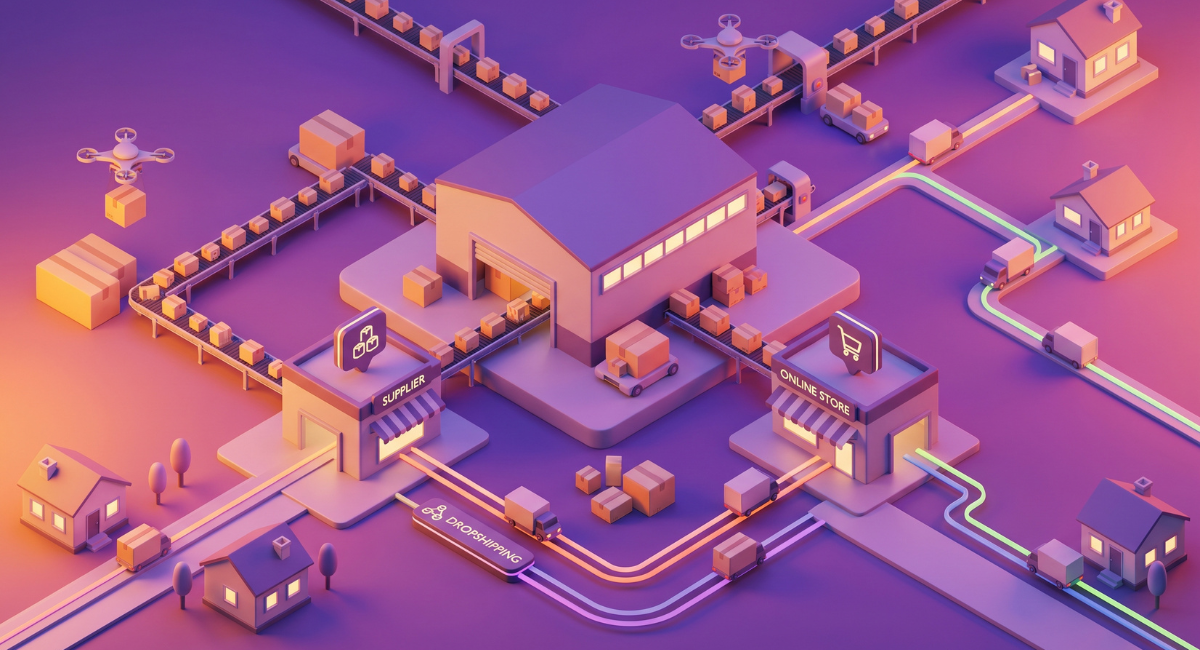
Instead of purchasing stock upfront, you work with suppliers who ship products directly to customers after an order is placed. This means you can focus on building your store, marketing products, and serving customers while suppliers handle fulfillment.
For beginners, dropshipping offers a lower barrier to entry compared to traditional retail. However, success still requires product research, store setup, marketing, customer service, and consistent effort.
If you’re wondering how to start dropshipping with Shopify, this guide will walk you through the entire process step by step.
What Is Dropshipping?
Dropshipping is an ecommerce business model where you sell products online without stocking inventory yourself.
Here’s how it works:
- A customer places an order on your online store.
- You receive payment from the customer.
- You forward the order to your supplier.
- The supplier ships the product directly to the customer.
- You keep the difference between your selling price and supplier cost.
Because you don’t need to purchase large amounts of inventory upfront, many entrepreneurs use dropshipping as their first ecommerce business model.
Benefits of Starting a Dropshipping Business
- Low startup costs
- No warehouse required
- Large product selection
- Flexible location independence
- Easy to test new products
- Lower operational complexity compared to traditional retail
While these advantages make dropshipping attractive, it is important to remember that competition can be high and success depends on selecting the right products and marketing them effectively.
Step 1: Choose a Profitable Niche
One of the biggest mistakes beginners make is trying to sell everything.
Instead, focus on a specific niche.
Examples include:
- Home organization products
- Pet accessories
- Fitness equipment
- Kitchen gadgets
- Travel accessories
- Beauty and skincare tools
- Baby products
- Outdoor and camping gear
A niche-focused store is easier to brand, market, and scale than a general store selling unrelated products.
How to Find Good Niches
- Explore social media trends
- Browse online marketplaces
- Look for products solving real problems
- Analyze competitor stores
- Research search demand using keyword tools
- Study customer reviews for unmet needs
Step 2: Research Winning Products
Product selection often determines whether a dropshipping store gains traction.
Look for products that:
- Solve a problem
- Have strong visual appeal
- Generate impulse purchases
- Offer healthy profit margins
- Have positive customer reviews
- Are not easily available in local stores
Avoid choosing products solely because they are trending. Trends can disappear quickly.
Focus on products that offer long-term demand and genuine customer value.
Step 3: Find Reliable Suppliers
Your supplier plays a major role in customer satisfaction.
Poor product quality or delayed shipping can lead to refunds, complaints, and negative reviews.
When evaluating suppliers, consider:
- Product quality
- Shipping times
- Customer ratings
- Communication responsiveness
- Return policies
- Order fulfillment reliability
Always order samples whenever possible before promoting products heavily.
Step 4: Build Your Online Store
At this stage, you need a professional ecommerce website where customers can browse products, place orders, and complete secure payments.
Many beginners try to build custom websites from scratch and quickly become overwhelmed by technical issues.
Instead, it is usually better to use a dedicated ecommerce platform designed specifically for online stores.
That is where Shopify becomes useful for beginners. It allows you to create a professional online store, add products, manage payments, customize themes, install apps, process orders, and manage ecommerce operations from one dashboard.
Affiliate Disclosure: This article contains affiliate links. If you choose to purchase through these links, we may earn a commission at no additional cost to you.
One reason many beginners choose Shopify is that it reduces technical complexity and allows them to focus more on product selection and marketing.
Step 5: Customize Your Store Design
Your website should look trustworthy and easy to navigate.
Focus on:
- Clean homepage design
- Professional logo
- Clear navigation menu
- Mobile-friendly layout
- Fast loading pages
- High-quality product images
Remember that many visitors decide whether to trust a store within seconds.
A clean and professional appearance can improve conversion rates significantly.
Step 6: Create High-Converting Product Pages
Product pages are where buying decisions happen.
Instead of copying supplier descriptions, create unique product content.
Include:
- Benefits before features
- Clear product images
- Use cases
- Product specifications
- Shipping information
- Frequently asked questions
Good product pages help customers feel confident about purchasing.
Step 7: Set Up Payments and Shipping
Before launching your store, make sure customers can complete purchases smoothly.
Configure:
- Payment gateways
- Shipping settings
- Tax settings
- Order notifications
- Customer emails
- Refund policies
Shopify simplifies much of this setup process by providing built-in ecommerce tools and integrations.
Step 8: Install Essential Apps
Apps can help automate and improve store operations.
Useful categories include:
- Email marketing
- Reviews
- Upselling
- Customer support
- Analytics
- Inventory synchronization
However, avoid installing too many apps initially because excessive apps can slow down your store.
Try Shopify for Your Online Store
Step 9: Launch Your Store
Many new entrepreneurs spend months making tiny design changes and never launch.
Perfection is not required.
Once your store is functional, launch it and start collecting real-world feedback.
The market will teach you far more than endless preparation.
Step 10: Drive Traffic to Your Store
A store without visitors cannot generate sales.
Traffic generation should become a daily activity.
Free Traffic Methods
- SEO blogging
- Pinterest marketing
- Instagram content
- TikTok videos
- YouTube Shorts
- Facebook groups
Paid Traffic Methods
- Facebook Ads
- Instagram Ads
- Google Shopping Ads
- Google Search Ads
- Influencer partnerships
Start with a small budget and focus on learning customer behavior before scaling advertising campaigns.
Common Dropshipping Mistakes to Avoid
- Choosing products without research
- Ignoring customer service
- Copying competitor stores
- Using poor-quality product images
- Launching without testing checkout
- Expecting instant success
- Switching products too frequently
- Ignoring SEO and content marketing
Most successful ecommerce businesses improve gradually through testing and optimization rather than overnight results.
Can Beginners Start Dropshipping Successfully?
Yes, beginners can start dropshipping, but it should be treated like a real business.
You will need to learn:
- Product research
- Store building
- Marketing
- Customer service
- Analytics
- Conversion optimization
The good news is that modern ecommerce platforms make the technical side much easier than it was a few years ago.
Final Thoughts
Dropshipping remains one of the most accessible ways to enter ecommerce because it eliminates many of the costs associated with inventory management.
The process is straightforward:
- Choose a niche
- Research products
- Find reliable suppliers
- Build your store
- Launch and market consistently
- Optimize based on real customer data
If you’re serious about starting an ecommerce business, having the right platform can make the learning process significantly easier. Shopify gives beginners the tools needed to create a professional store, manage products, accept payments, handle orders, and grow an online business from a single dashboard.
Launch Your Ecommerce Store With Shopify
Focus on learning, testing, and improving consistently. Ecommerce success rarely happens overnight, but with patience and the right systems in place, you can build a strong foundation for long-term growth.
Anchor Text: how to start a Shopify store from scratch
URL: https://theecomfuture.com/how-to-start-a-shopify-store-from-scratch-in-2026-a-complete-beginners-guide/
Anchor Text: how to start a Shopify store in 2026
URL: https://theecomfuture.com/the-ultimate-guide-on-how-to-start-a-shopify-store-in-2026/
Anchor Text: start an online store in 2026
URL: https://theecomfuture.com/how-to-start-an-online-store-in-2026-a-complete-beginners-guide/
Anchor Text: Shopify vs WooCommerce for beginners
URL: https://theecomfuture.com/shopify-vs-woocommerce-which-is-better-for-beginners-in-2026/
Anchor Text: Shopify vs Wix comparison
URL: https://theecomfuture.com/shopify-vs-wix-the-honest-truth-on-which-is-best-in-2026/
Anchor Text: common Shopify mistakes to avoid
URL: https://theecomfuture.com/common-shopify-mistakes-to-avoid/
Anchor Text: Shopify theme customization guide
URL: https://theecomfuture.com/the-ultimate-shopify-theme-customization-guide-for-2026/
Anchor Text: print-on-demand business with Shopify
URL: https://theecomfuture.com/how-to-start-a-print-on-demand-business-with-shopify-a-beginners-step-by-step-guide/
Anchor Text: start a clothing brand with Shopify
URL: https://theecomfuture.com/how-to-start-a-clothing-brand-using-shopify-a-beginners-step-by-step-guide/
Anchor Text: ecommerce business with no experience
URL: https://theecomfuture.com/how-to-start-an-ecommerce-business-with-no-experience-in-2026-a-complete-beginners-guide/